What Makes a Version Official — and What It Doesn't Guarantee
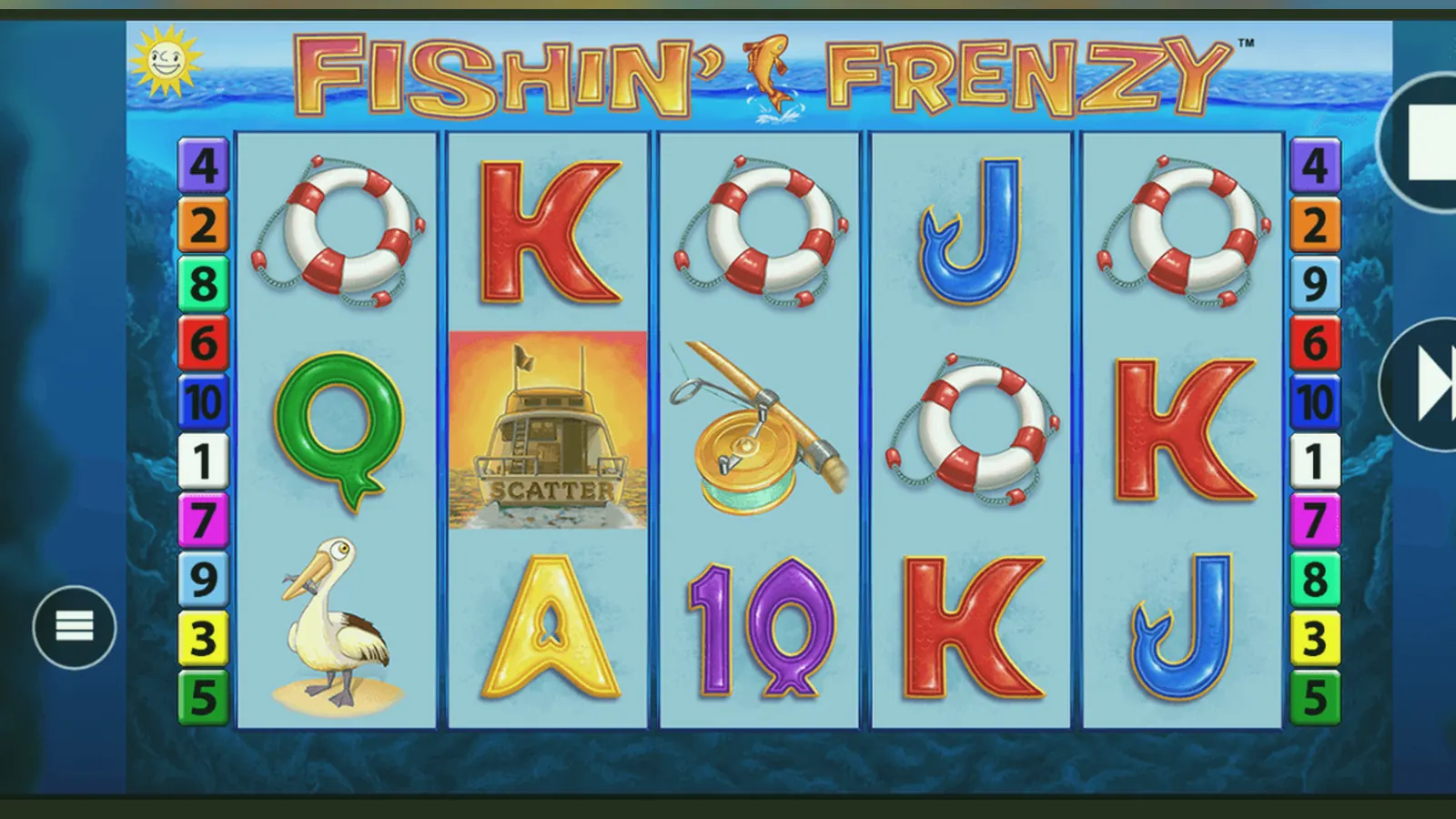
Two browser tabs, same game name. One site shows a UKGC licence number in the footer and asks you to verify your age before you see the demo. The other loads instantly, promises doubled bonuses, and accepts payment methods that disappeared from British gambling years ago. Both claim to offer the official Fishin' Frenzy experience.
The difference isn't just legal paperwork. It's the regulatory machinery that sits between your deposit and the outcome: stake caps that drop to £2.00 if you're 18–24, affordability checks that start at £150 net deposits a month, withdrawal methods tied to Faster Payments instead of anonymous e-wallets, and a self-exclusion scheme that blocks every licensed operator with one GAMSTOP registration. Official status isn't a seal of quality—it's a framework of restrictions the game must operate within on this market.
Provider Build, Not a Destination
Fishin' Frenzy is a Blueprint Gaming title, now part of the Gauselmann Group. Blueprint doesn't run a customer-facing casino—it supplies the game to operators who hold the remote gambling licence. There is no single official site of Fishin' Frenzy because the game exists as a component licensed to dozens of platforms, each with its own UKGC authorisation.
Official, in this context, means three things: the game build comes from Blueprint's servers, carries the correct RTP and volatility settings filed with the regulator, and runs on a site that holds a valid UK Gambling Commission remote licence. The operator's licence covers its entire game library, not individual titles, so your verification task is checking the operator, not hunting for a Fishin' Frenzy-specific certificate that doesn't exist.
One-Minute Licence Verification
The UKGC public register is the single source of truth for licensed operators. A logo on the homepage proves nothing; a register entry proves the operator is permitted to serve British players. Here's the walkthrough:
- Scroll to the footer of the casino site. Look for a string of digits labelled «UKGC Licence» or similar—typically five or six digits, sometimes followed by R for remote.
- Visit the UK Gambling Commission website and navigate to the public register of licensees. The search interface accepts licence numbers and company names.
- Enter the number from the footer. The register returns the operator's legal entity, licence type (you need «Remote» for online play), issue and renewal dates, and status—Active is what you're after.
- Cross-check the company name in the register against the operator listed in the site's terms and conditions. They must match. A mismatch suggests the site is borrowing another operator's number.
- If the register returns no result, or the licence is suspended or revoked, the site is illegal to use in the UK. Close the tab.
This takes sixty seconds and eliminates the vast majority of clone sites. A current, active remote licence means the operator has posted a bond, submitted to audits, connected to GAMSTOP, and agreed to the affordability and stake-cap rules that came into force this year. It doesn't guarantee you'll enjoy the experience or win, but it guarantees the framework exists.
Account Login and What It Unlocks
Many UKGC-licensed operators gate demo play behind age verification now, even though no money changes hands. The reason is regulatory: the Gambling Act treats free-play games as advertising, and advertising rules prohibit content that appeals to under-18s without age controls. You'll need to create an account, provide your date of birth, and sometimes pass an initial check against credit-reference data before you see the demo reels.
Real-money play requires full know-your-customer verification: proof of identity (passport, driving licence), proof of address (utility bill, bank statement dated within three months), and sometimes proof of funds if your deposit pattern crosses the affordability threshold. The first withdrawal is the slowest—24 to 48 hours for document review is standard—because the operator must confirm the payment method is in your own name. Credit cards have been banned for gambling since April 2020, so expect debit cards, PayPal, Apple Pay, Open Banking via Trustly, or paysafecard for deposits, and Faster Payments or e-wallets for withdrawals.
Your account also inherits the stake cap tied to your age. Players 25 and older face a £5.00 maximum per spin; players aged 18–24 face a £2.00 cap. The operator's system enforces this automatically once your age is verified, and there's no override. The cap applies to the base bet, not the total cost if you activate extra features in games that offer them, though Fishin' Frenzy keeps it simple with a flat bet structure.
The App Question
Fishin' Frenzy runs in a browser on desktop and mobile, and many licensed operators offer web apps that pin to your home screen without requiring an App Store or Google Play download. A handful of larger operators do publish native apps on both stores—Google Play and the App Store permit real-money gambling apps from UKGC-licensed operators—but the web version is more common because it requires no installation and updates automatically when Blueprint pushes a patch.
If you do find a native app, verify that the developer name in the store listing matches the operator's legal entity in the UKGC register. Clones sometimes publish lookalike apps under similar names, counting on players not to cross-check. The app itself must show the UKGC licence number in its settings or about screen, just as the website does in the footer. If the licence number is missing, don't install it.
APK files from third-party sites are a red flag. No legitimate UKGC operator distributes installers outside the official stores, because sideloading bypasses the age and identity checks required by law. Any site offering a Fishin' Frenzy APK is either running an unlicensed build or worse.
When Something Goes Wrong
Complaints follow a three-tier path. Start with the operator's own support team—email, live chat, or phone, depending on what the site offers. UKGC rules require operators to acknowledge complaints within five working days and provide a final response within eight weeks. If the response doesn't resolve the issue, or the operator ignores the timeline, escalate to an approved alternative dispute resolution (ADR) service. The operator must name its ADR provider in the terms; common ones include IBAS, eCOGRA, and the Independent Betting Adjudication Service.
The ADR decision is binding on the operator but not on you, meaning you can still take the matter to court if the ruling goes against you. The third tier is the UK Gambling Commission itself, but the regulator doesn't adjudicate individual disputes—it investigates systemic breaches of licence conditions. If you suspect the operator is rigging outcomes, breaching affordability rules, or operating without a valid licence, report it to the UKGC compliance team. The regulator can suspend or revoke the licence if it finds evidence of a breach.
For gambling-harm concerns, GAMSTOP is the faster route. One registration blocks every UKGC-licensed site for six months, one year, or five years, depending on the term you choose. The block is irrevocable during the term—you can't unregister early—and it follows your identity markers, not just your email, so opening a new account elsewhere won't bypass it. BeGambleAware offers free, confidential support if you need it.
Red Flags of Clone Builds
Clone sites mimic the interface but operate outside the UKGC framework, which means none of the player protections apply. The tells are usually visible within the first minute:
- No UKGC licence number in the footer, or a number that doesn't return a result in the public register.
- Payment methods that include credit cards, cryptocurrency, or anonymous e-wallets banned in the UK since 2020.
- Instant demo play with no age gate, or a gate that accepts a ticked box without verifying your date of birth against external data.
- Bonuses structured as matched deposits with no wager cap—UKGC rules require a £5.00 stake cap even on bonus funds, and affordability checks apply to bonus turnover as well.
- Withdrawal terms that mention «manual review» periods longer than 48 hours, or fees for using standard methods like Faster Payments.
- Domain extensions from jurisdictions with no licensing reciprocity with the UK—sites ending in .cw, .ag, or .com with no UKGC footer are unlicensed here regardless of where they claim to be regulated.
A clone might offer a faithful reproduction of the game's mathematics—same RTP, same volatility—but without regulatory oversight, you have no recourse if a dispute arises, and no protection if the site simply disappears with your balance. The UKGC licence isn't a luxury; it's the mechanism that makes the complaint path enforceable.
What Official Status Doesn't Guarantee
A UKGC-licensed operator running the genuine Blueprint build gives you a predictable framework, not a predictable outcome. The RTP remains a long-run average—variance means short-term results swing wide around that figure, and a high-volatility game like Fishin' Frenzy will produce losing streaks that feel disproportionate to the published return. Official status doesn't smooth the variance; it confirms the mathematics filed with the regulator is the mathematics you're playing.
Bonuses always carry wagering requirements, typically 30–50 times the bonus amount, and those requirements count towards the affordability threshold. If your net deposits cross £150 in a calendar month, the operator will request proof of income or source of funds at the first stage, and may impose tighter limits if the check flags a risk. Official sites can't waive this—it's a licence condition—so factor it into your expectations if you're claiming a welcome offer.
The first withdrawal takes longer than subsequent ones because the operator must review your documents, verify your payment method is in your own name, and run anti-money-laundering checks. Forty-eight hours is common; 72 isn't unusual. After that, e-wallet withdrawals clear in a few hours to 24 hours, and Faster Payments land in one to two working days, but the initial delay is structural, not a stalling tactic.
Why the Framework Matters More Than the Brand
British players often focus on the casino brand when choosing where to play, but the operative question is the licence, not the logo. A well-known brand operating under a Curaçao or Malta licence has no obligation to follow UKGC rules if it doesn't hold a UK remote licence, and your recourse is limited to the foreign regulator's complaint process, which carries no weight in British courts.
The UKGC framework—stake caps, affordability checks, GAMSTOP integration, tax-free winnings funded by the 40% Remote Gaming Duty the operator pays—exists because the regulator treats gambling as a consumer-protection issue, not a vice or a grey-market activity. The trade-off is friction: slower withdrawals, tighter spending limits, mandatory identity checks before you see a single spin. That friction is the cost of the safety net.
Fishin' Frenzy is the same game whether you play it on a licensed or unlicensed site, in the narrow sense that the reels spin and the paylines resolve the same way. The difference is what happens when you need to complain, or when your spending crosses a threshold, or when you decide to self-exclude. Official status is the insurance policy you hope not to use—and the reason the policy exists is because the risk is real.
FAQ
Can I play Fishin' Frenzy for free without creating an account?
Most UKGC-licensed sites now require age verification before showing demo play, even though no money is involved. You'll need to register, provide your date of birth, and sometimes pass an initial check against credit-reference data. A few operators still offer instant demo access, but it's becoming rare as advertising rules tighten. Unlicensed sites often allow immediate free play, but that's a red flag, not a feature—no age gate means the site isn't following UK law.
Why does my withdrawal take longer the first time?
The operator must verify your identity documents, confirm your payment method is in your own name, and run anti-money-laundering checks before processing the first withdrawal. This typically takes 24 to 48 hours, occasionally 72. Subsequent withdrawals are faster—e-wallets clear in a few hours to a day, Faster Payments in one to two working days—because the checks are already complete. Credit cards are banned for gambling in the UK, so all deposits and withdrawals must use debit cards, e-wallets, or Open Banking methods.
What happens if I register with GAMSTOP and then want to play again?
You can't. GAMSTOP blocks are irrevocable for the term you choose: six months, one year, or five years. The system follows your identity markers—name, date of birth, address—not just your email, so opening a new account at a different UKGC-licensed operator won't bypass it. Every licensed site in the UK is connected to GAMSTOP, and attempting to circumvent the block by using unlicensed sites exposes you to all the risks of unregulated play: no complaint path, no deposit protection, no verification that the game mathematics match the provider's spec. The block exists to create a cooling-off period, and the law treats it as binding.